
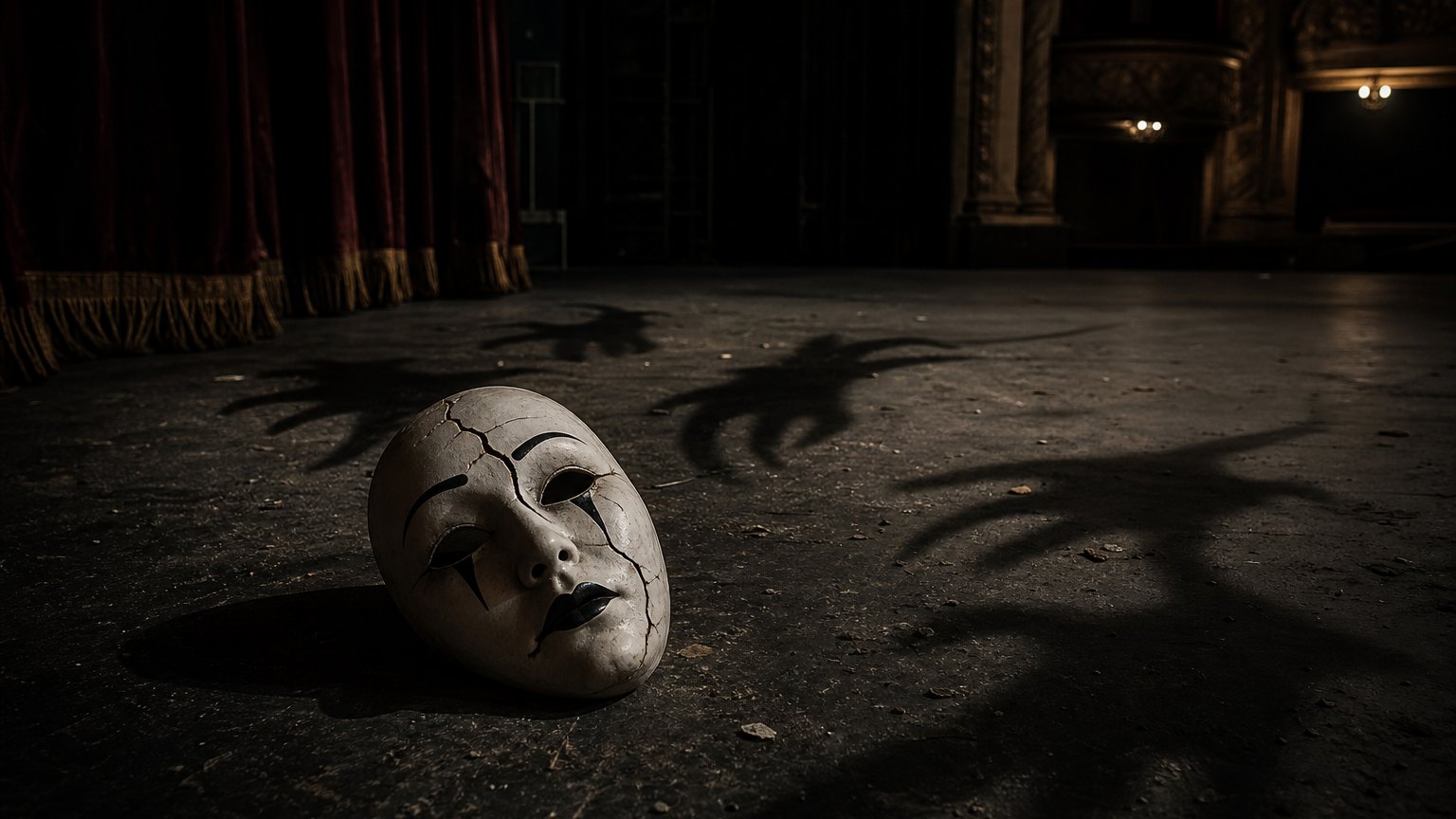
The horror landscape is shifting, and it is shifting under the direction of women who understand that fear is not just about jump scares, but about the systemic erasure of identity. On August 6, 2026, it was reported that Sony Screen Gems has acquired the supernatural horror project 'Mime', a victory in a fierce bidding war that saw them outmaneuver heavyweights like Amazon and Searchlight. This acquisition is more than a corporate win; it is a signal that the industry is finally ready to pay attention to stories where silence is the most terrifying sound of all.
At the helm is Nikyatu Jusu, the visionary director whose debut feature 'Nanny' redefined how we see Black motherhood and immigrant anxiety through a horror lens. Jusu does not merely direct; she excavates. Her presence in the director’s chair for 'Mime' ensures that this film will not be a generic creature feature, but a deep dive into the psychology of being unseen, unheard, and misunderstood. The casting of John David Washington adds another layer of complexity. Washington, known for his physicality and emotional depth in films like 'Blade Runner 2049' and 'Tenet', brings a quiet intensity that is perfectly suited for a protagonist whose power—or curse—lies in the absence of voice.
From a feminist cultural perspective, the concept of 'Mime' resonates with the lived experiences of survivors who have been forced into silence by institutions designed to protect the powerful. Horror has long been a space where women and marginalized groups process trauma, but Jusu’s approach is distinct. She does not exploit trauma for shock value; she examines the structural forces that create the monsters. In 'Mime', the supernatural element likely serves as a metaphor for the ways society strips individuals of their agency, reducing them to mere performers of expectations.
The competition for this project highlights the growing appetite for original, character-driven horror that challenges audiences. Amazon and Searchlight’s loss is Screen Gems’ gain, but the real winner is the audience, who are being offered a narrative that refuses to conform to traditional genre tropes. Jusu’s track record suggests that 'Mime' will be a visceral, unsettling experience that lingers long after the credits roll, forcing viewers to confront their own complicity in systems of silence.
As we await more details on the plot, one thing is clear: this is not just another horror movie. It is a cultural statement. By centering a story about the horror of being voiceless, Jusu and Washington are creating a film that speaks volumes. It is a reminder that in a world that often demands we perform, there is profound power in refusing to speak, in letting the silence scream.
Comments (4)