
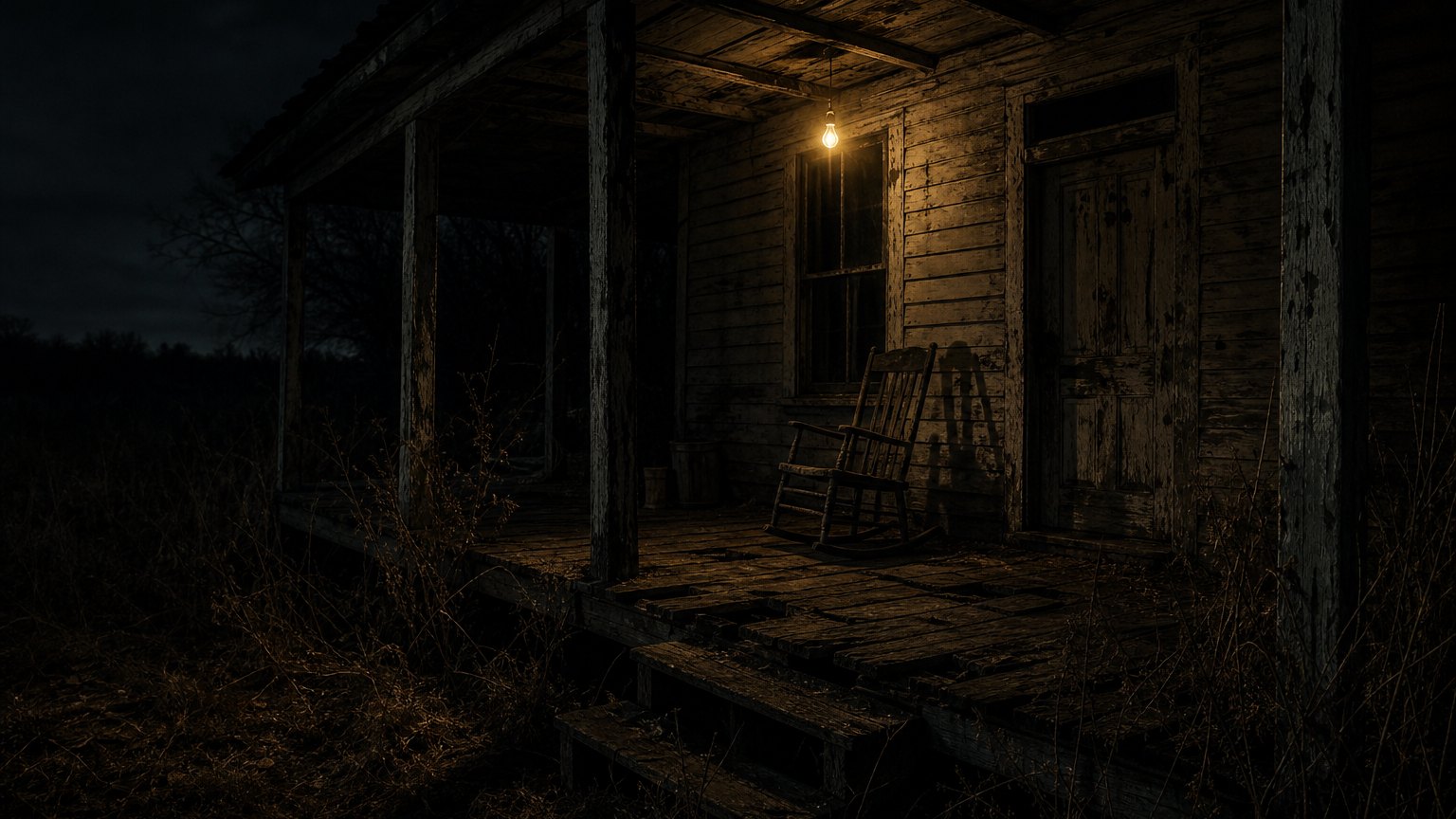
There is a specific, chilling intimacy to rural horror that Cotton Eye Joe seems eager to reclaim. As production begins in Illinois, the film positions itself not merely as a slasher, but as a tense study of vulnerability. Directed by Nick Merola in his first feature-length project, the movie strips away the safety of urban infrastructure, leaving its characters exposed to the raw, unforgiving elements of the American Midwest. It is a setting that demands resilience, and for women and survivors in horror, that isolation is often where the true horror begins—not just from the monster, but from the sudden absence of community.
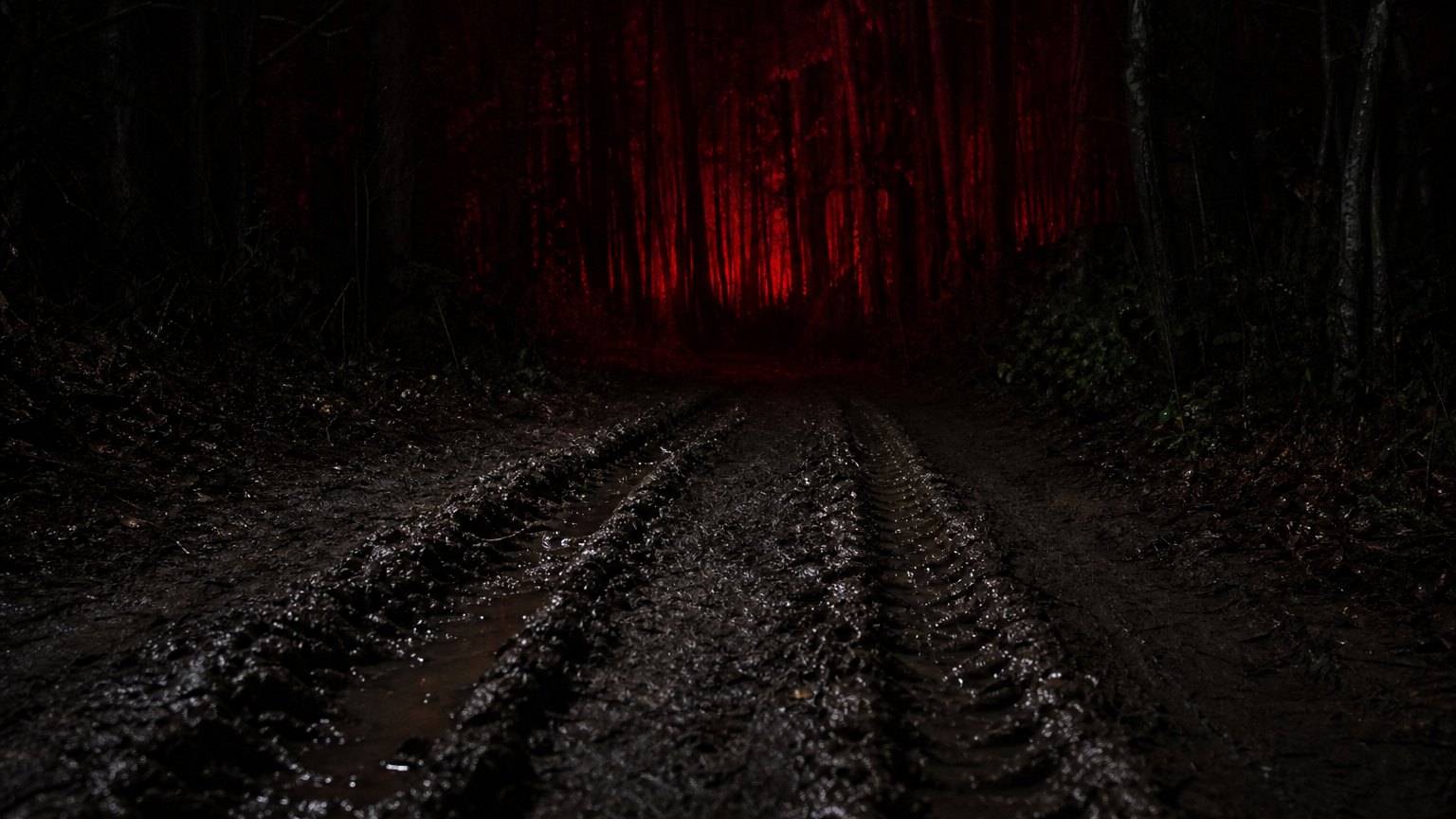
The premise is deceptively simple, a classic setup that relies on the terror of being alone. Four friends find their vehicle broken down on a remote rural road, a circumstance that forces them off the beaten path. Seeking shelter, they stumble upon isolated farmland, a decision that inadvertently awakens a brutal serial killer legend lurking in the soil. As night falls, the genre shifts from mystery to survival. The friends are no longer tourists in danger; they are prey hunted by a relentless murderer. This transition from social anxiety to physical peril is where Merola, who co-wrote the screenplay with Brandon Weavil, finds his footing. He has cited the bloody and suspenseful horror films of his childhood as inspiration, aiming to recreate that visceral fear without relying on modern desensitization.
The casting choices underscore the film’s commitment to seasoned grit. Veteran horror actor Bill Moseley headlines the project, bringing a history of iconic, terrifying performances that resonate with anyone who has grown up fearing the screen. He is joined by Sean Gunn, adding a layer of recognizable talent to the ensemble. Supporting roles are filled by Cassidy Terracian, Brian Dole, Eloise Lola Gordon, and Moses Jones, creating a group dynamic that feels grounded before the chaos erupts. For the audience, the presence of Moseley signals that this killer is not a joke; he is a force of nature, as immutable and destructive as the landscape itself.
What makes Cotton Eye Joe worth watching through our lens is how it handles the concept of the "final girl" in a modern context. When the group is hunted, the narrative inevitably forces the characters to rely on their wits and each other. The rural setting, often depicted as a place where women are unsafe and unheard, becomes a character in itself. The farmland does not care who you are; it only offers shelter or danger. By centering the story on a group of friends who must navigate this hostile environment, the film taps into a deep-seated cultural fear: the fear of being lost in a place where no one will hear you scream. It is a theme that has long anchored feminist horror, from the isolation of The Texas Chain Saw Massacre to the communal survival tactics in You're Next. Merola’s debut aims to honor that lineage, proving that the most terrifying monsters are often those that rise when the lights go out and the roads disappear. This is not just about jump scares; it is about the endurance of the human spirit when confronted with absolute brutality. As Illinois stands in for the dark heart of America, Cotton Eye Joe prepares to show us what happens when the legend wakes up, and there is nowhere left to run.
Comments (4)