
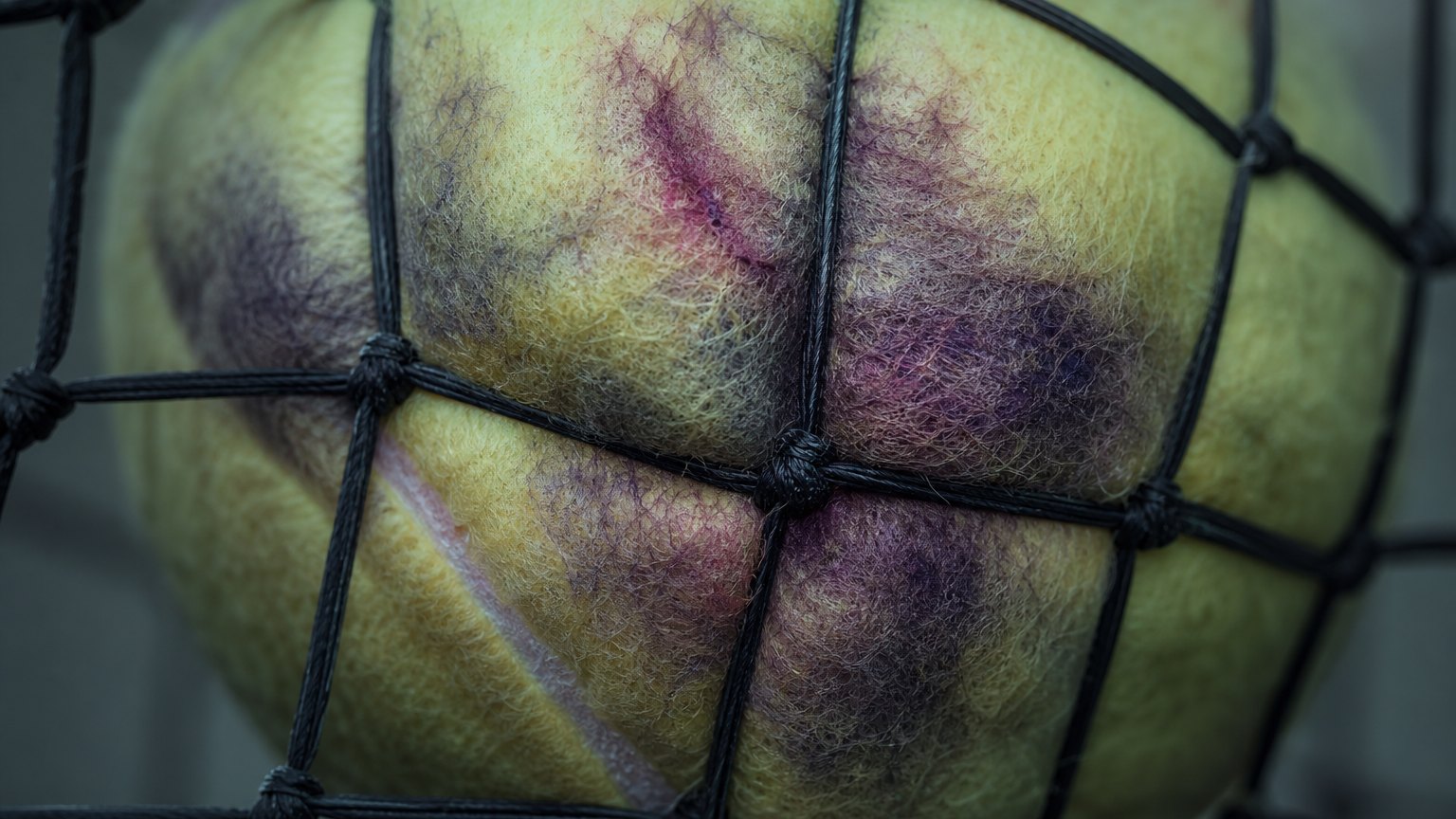
In the pantheon of horror, the gymnasium has long served as a site of vulnerability, a place where bodies are scrutinized, disciplined, and often broken. Now, Shudder has acquired the U.S. rights to 'Bloody Tennis,' a film described as a sports horror or psychological thriller, ahead of its world premiere at the Locarno Film Festival. This acquisition is not merely a business transaction; it is a cultural signal that the genre is ready to dissect the specific, suffocating pressures placed on athletes, particularly women, whose physical prowess is often commodified until it becomes a weapon against themselves.
The Court as a Cage
Tennis, with its rigid lines, solitary nature, and relentless ticking of the clock, offers a unique architecture for terror. Unlike the communal panic of a slasher ensemble, a tennis match is an intimate duel. It is a conversation between two bodies, mediated by a net that acts less as a divider and more as a membrane of tension. 'Bloody Tennis' taps into this claustrophobia. The horror here does not come from a monster under the bed, but from the internal monologue of a competitor pushed to the brink of dissolution. It asks what happens when the drive to win curdles into a need to destroy.

From a feminist perspective, the sports genre has historically been a bastion of masculine triumph. Even when women are featured, their narratives are often tethered to romance or maternal sacrifice. Psychological thrillers centered on female athletes, however, offer a raw exploration of agency and its limits. When the body is the primary tool of expression, its failure or rebellion becomes a profound political statement. The 'bloody' in the title suggests not just gore, but the visceral cost of maintaining a facade of control. It is the blood spilled in the pursuit of perfection, a metric that has historically been used to police women’s behavior and bodies.
Locarno and the Independent Eye
The decision to premiere 'Bloody Tennis' at Locarno is significant. This festival is known for championing auteur-driven, unconventional cinema that challenges mainstream sensibilities. By securing the film here, Shudder is aligning itself with a tradition of horror that values psychological depth over cheap jumps. It suggests that the audience for this kind of nuanced terror is growing. We are no longer satisfied with monsters that are simply external threats; we want monsters that reflect our own societal pressures, our own competitive anxieties, and our own fears of inadequacy.
As we await the film’s release, it is worth considering how sports horror can serve as a metaphor for survival. For survivors of trauma, the body is often a site of re-experiencing pain. A film that explores the physicality of competition through the lens of horror invites viewers to reconsider the violence inherent in systems that demand perfection. 'Bloody Tennis' promises to be more than a thriller; it is a potential manifesto for anyone who has ever felt the sting of a baseline, the pressure of a match point, and the terrifying silence that follows a missed shot. Shudder has bet on a story where the racket is a shield, and the court is a battlefield. In doing so, they are validating a genre that speaks directly to the complexities of female endurance and the horror of being watched, judged, and found wanting.


Comments (4)