
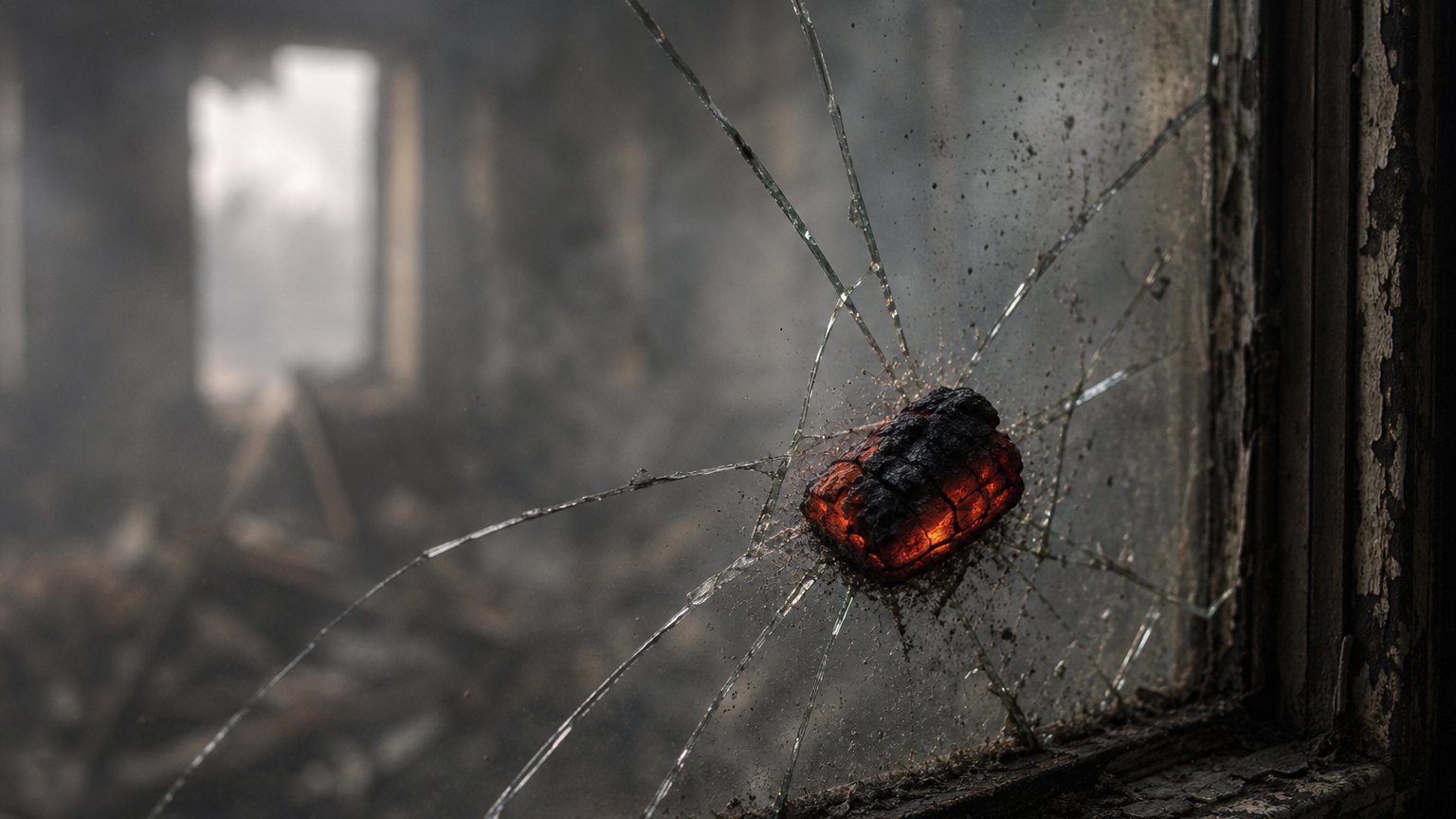
On August 13, 2026, the sky over Stourbridge did not just darken; it screamed. What began as a dry, heat-baked landscape in the West Midlands erupted into a inferno that defied the calm of a typical summer afternoon. The footage that quickly circulated on social media was not the polished, high-octane spectacle of Hollywood disaster films. It was raw, terrifying, and intimately close to home. Drone cameras captured the gutted remains of homes, their silhouettes stark against an orange haze that swallowed the horizon whole.
For many of us who write about horror, we often fetishize the apocalypse. We imagine the end of the world as a backdrop for action heroes or monstrous transformations. But the reality of the wildfires that gripped Stourbridge and the wider West Midlands is far more visceral, and far more feminist in its demand for attention. This was not a story about heroism in the traditional sense. It was a story about endurance. It was about the West Midlands Fire Service deploying over one hundred firefighters to battle a fast-moving enemy that respected no boundaries, no property lines, and no safety.
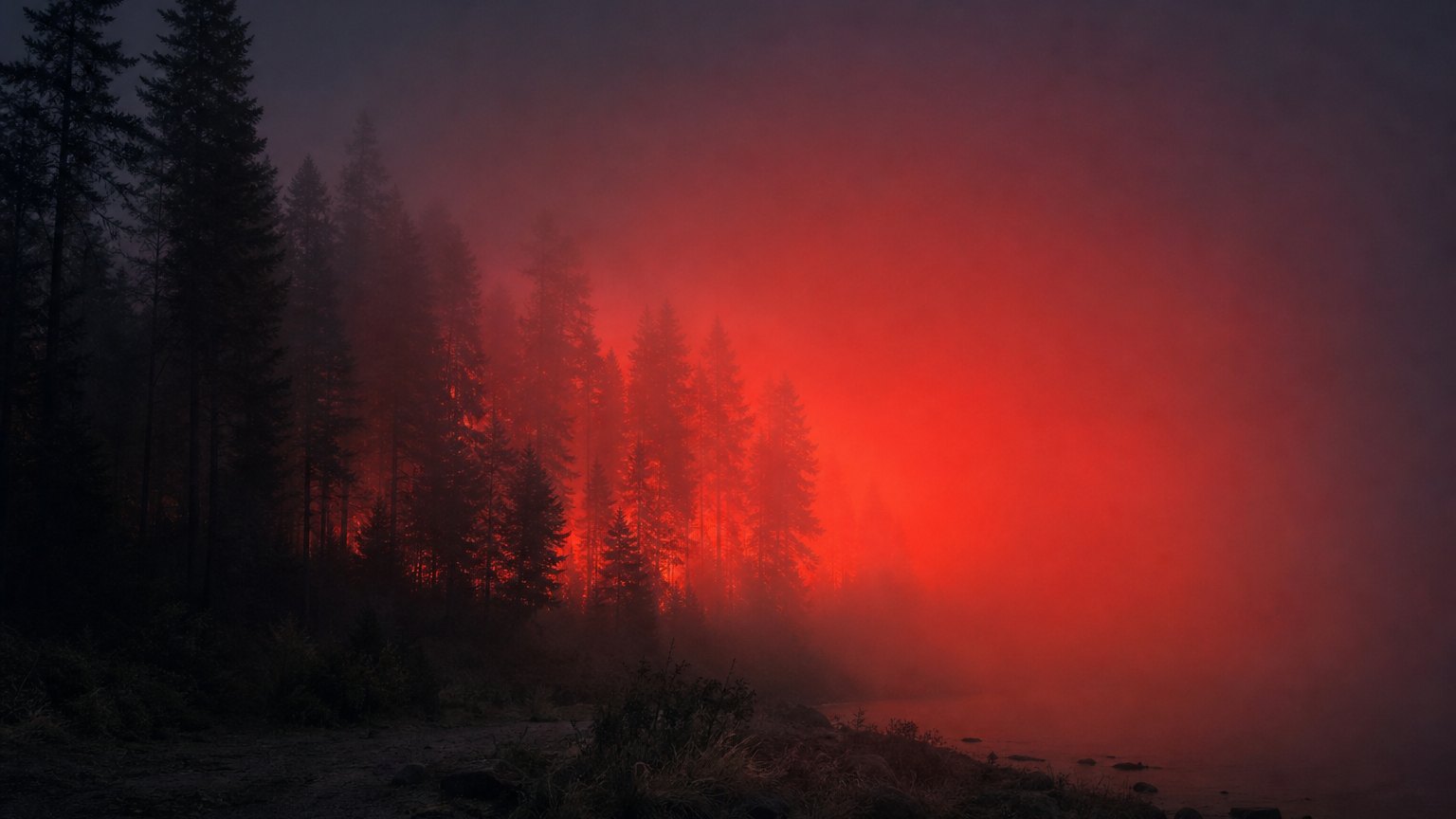
The warning issued to residents—to stay indoors—was not merely a bureaucratic instruction. It was a command to survive. To stay inside was to acknowledge the vulnerability of our domestic spaces, the very places we are taught are sanctuaries. When the air becomes toxic, when the smoke seeks out the cracks in our windows, the home ceases to be a castle and becomes a trap. This shift in perspective is crucial. In horror, the home invasion is a classic trope, but here, the invasion was atmospheric, inescapable, and indifferent to our presence.
Amidst the chaos, the human element emerged with heartbreaking clarity. Reports confirmed that evacuations were underway, not as a coordinated military operation, but as a desperate scramble for safety. The image of at least one child being treated for smoke inhalation is a detail that should haunt us all. It strips away any romanticism surrounding disaster. This is not a game. This is the literal breathing of our most vulnerable being compromised by the environment we have altered. The trauma inflicted here is not just physical; it is psychological. It is the realization that the ground beneath your feet can no longer protect you from the sky above.
Yet, in the ashes, there is a story of community that horror rarely acknowledges. The neighbors helping neighbors, the shared anxiety, the collective holding of breath. This is the survivor’s narrative. It is not about fighting a monster with a chainsaw; it is about enduring the heat, protecting your loved ones, and finding the strength to rebuild when the fire has long gone out. As we process the news of Stourbridge, let us not just look at the damage. Let us look at the people who are left standing in the soot, refusing to let the fire take their spirit. That is the true horror, and the true beauty, of survival.
Comments (4)