
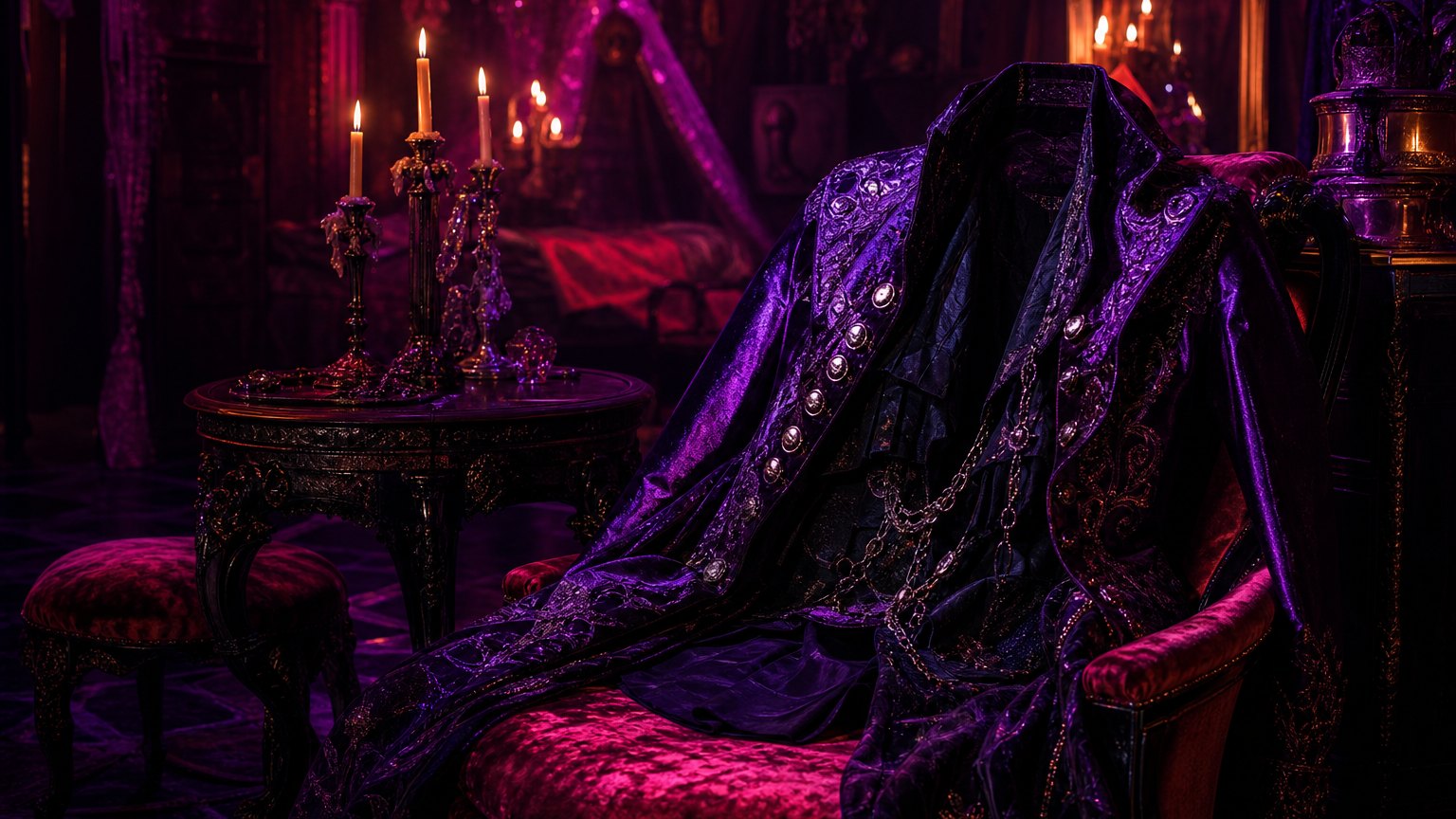
AMC's "Interview with the Vampire" returned for its third season, "The Vampire Lestat," on June 7, 2026, and the acclaim has been immediate. The season charts Lestat's origins and his ascent to rock-star immortality, deepening the network's sprawling Anne Rice "Immortal Universe." It is lush, theatrical, and unafraid, which is exactly what Rice's work has always demanded and rarely received on screen.
To talk about this season is to talk about Anne Rice's legacy, and that legacy is, at its core, a queer one. Long before mainstream culture had the vocabulary, Rice wrote immortals whose desire, gender, and selfhood refused to sit still. Her vampires loved across every line the living world tried to draw. AMC's series doesn't dilute that, it leans all the way in, and the result is some of the most genuinely transgressive vampire storytelling television has produced.
Fluidity Was Never a Subtext
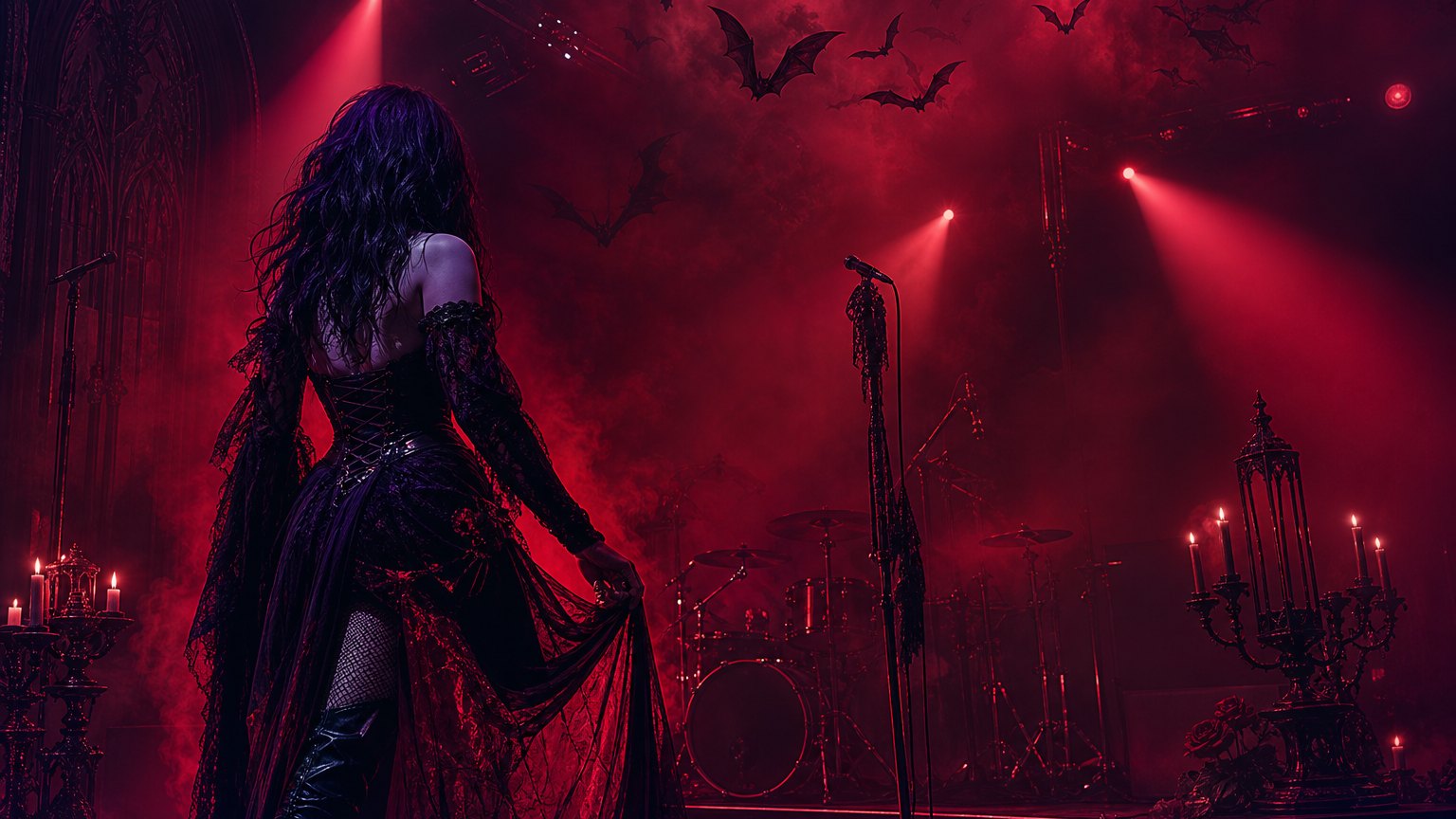
For decades, adaptations treated the homoeroticism of Rice's vampires as something to imply, to wink at, to leave deniable. This show ended that cowardice in its first season and has only grown bolder. Lestat is rendered as Rice always wrote him: seductive regardless of the gender across from him, theatrical to his core, a creature for whom desire and performance are the same act. The gender fluidity isn't a modern overlay. It's a faithful reading of source material that was decades ahead of its readers.
That fidelity matters, and not only to longtime fans. Rice built a mythology in which immortality dissolves the rigid categories the mortal world enforces. To live forever, in her cosmology, is to outlast the boxes. AMC's Lestat embodies that, a being whose rock-star reinvention is itself a kind of perpetual coming-out, a refusal to be fixed by anyone's expectations.
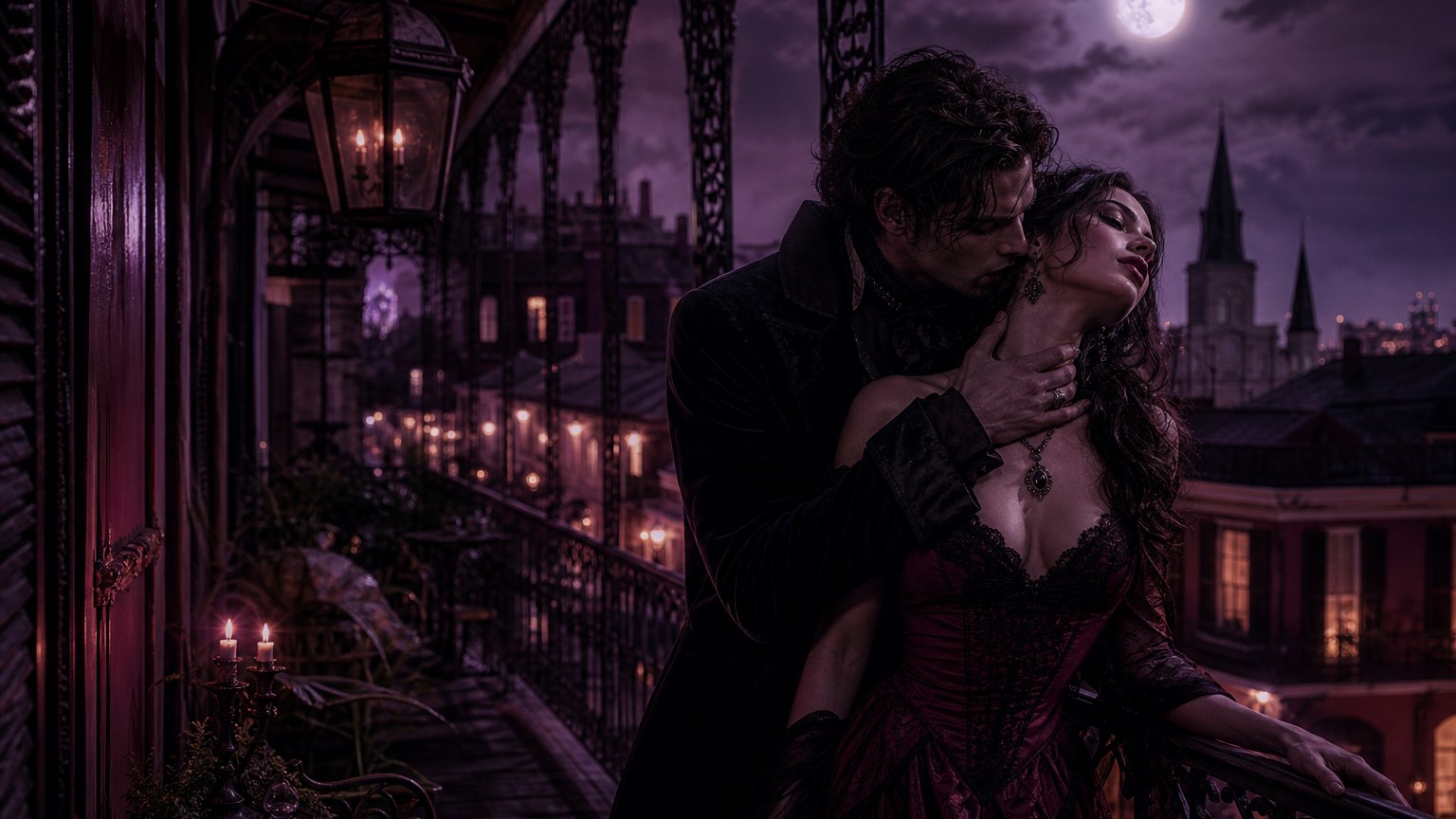
And then there are the women. The Immortal Universe has never treated its female vampires as decoration, and this season's expansion of the Coven gives them teeth, agency, and politics of their own. These are not brides hovering at a master's shoulder. They are power players, survivors, schemers, and rivals, women whose immortality has sharpened them rather than softened them into ornaments. In a genre that has spent a century reducing the female vampire to seductive set dressing, the Coven feels like a corrective written in blood.
What "The Vampire Lestat" ultimately proves is that Anne Rice was never writing a guilty pleasure. She was writing a radical, queer, gender-fluid mythology about who gets to be desired, who gets to be powerful, and who gets to define themselves on their own terms forever. For years that vision was sanded down for mass consumption. This season hands it back intact, in all its operatic, unapologetic glory.
Rice is gone, but the work she left behind keeps proving it was the future all along. AMC isn't just adapting her. It's finally catching up to her.



Comments (37)